Timeless Legends: Walking Down Memory Lane — Lest We Forget
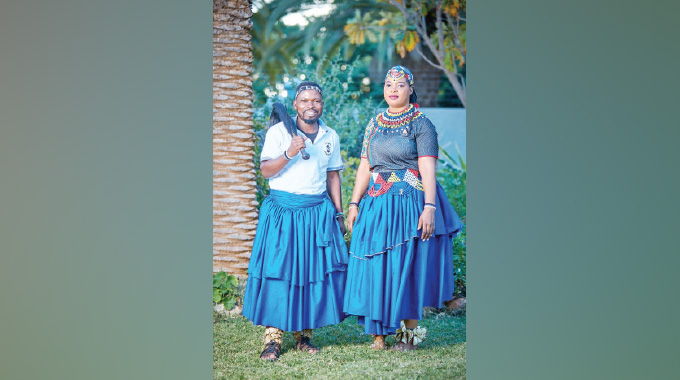
Evias Bhebhe
"Matabeleland Traditional Healer, Musician & Cultural Preservation Trailblazer — The Visionary Composer Behind 'Dziba Le Mvula' and 'Ukufa Kwangenza' Who Masterfully Blended Indigenous Ancestral Rhythms (Ingoma Zama Khehla & Zabogogo) with Contemporary Instrumentation to Bridge African Traditions and Modern Listeners"
Evias Bhebhe stands as one of modern Zimbabwe's most compelling cultural preservationists and musical innovators — a traditional healer (inyanga), former Christian pastor, and visionary recording artist whose extraordinary music bridges the sacred world of African ancestral traditions with the vibrant sounds of contemporary southern African instrumentation. Born and rooted in Matabeleland, Bhebhe has dedicated his life and musical ministry to documenting, safeguarding, and elevating the indigenous customs, oral spiritualities, and ritual melodies of black people. In an era when rapid modernisation and foreign influences have caused many to drift away from their ancestral roots, Bhebhe's work serves as a powerful artistic beacon, reminding Zimbabweans and Africans across the continent that traditional knowledge is not a relic of the past, but a living wellspring of human dignity, identity, and healing.
Bhebhe's personal and spiritual path is as intriguing as his musical compositions. Before answering his ancestral calling as a traditional healer, he served faithfully as a Christian church pastor. This unique spiritual duality — traversing both the pulpit and the shrine — gave him a rare, empathetic vantage point on Zimbabwean society's complex religious landscape. Rather than viewing Christianity and traditional African spirituality as inherently hostile adversaries, Bhebhe understood that mutual understanding was possible if approached with artistic integrity, cultural pride, and sonic excellence. When he initially began recording traditional healer music, he encountered skepticism from both religious purists and cultural conservatives; yet through unwavering perseverance, spiritual depth, and captivating musicality, he dismantled deep-seated prejudices and created an artistic bridge that allowed listeners of all persuasions to reconnect with their heritage.
His breakthrough into widespread national and regional consciousness came with the seismic release of his hit single and album 'Dziba Le Mvula' (Pool of Rain), featuring Awakhiwe Nkosi. The project captured the imagination of thousands across Matabeleland and beyond, sweeping across radio airwaves, community gatherings, digital platforms, and cultural ceremonies. 'Dziba Le Mvula' proved that indigenous spiritual music, when produced with contemporary clarity and emotional resonance, possesses a universal resonance that transcends generational and social divides. Following this success, Bhebhe continued a prolific recording trajectory, releasing acclaimed albums including 'Emadlozini', 'Ukufa Kwangenza', 'Ngezijula Zabo', 'Bangilahlela I Gama', and 'Ake Sibonge', each work exploring the deep psychological, philosophical, and communal experiences of traditional healers, initiation rites, and ancestral veneration.
What distinguishes Bhebhe's artistry from conventional folklore performers is his groundbreaking approach to musical instrumentation and vocal arrangement. Recognising that modern audiences — especially youth and churchgoers — might be hesitant to embrace compositions accompanied solely by raw traditional ingungu (drums) and amahlwayi (leg rattles), Bhebhe boldly fused ancient ancestral rhythms with polished contemporary percussion, basslines, keyboards, and acoustic flourishes. Crucially, in landmark albums like 'Ukufa Kwangenza' (produced in close creative partnership with his wife, Gogo Mankosi, who is also a revered traditional healer), he achieved the masterly integration of 'ingoma zama khehla' (songs of the male ancestors) and 'zabogogo' (songs of the female grandmothers), employing both the ingungu drums and the resonant izikeyi (logs). By balancing these contrasting ancestral traditions within a single musical canvas, Bhebhe ensured that all spiritual lineages felt authentically honoured and represented.
Beyond his recorded discography, Evias Bhebhe is a passionate advocate for cultural education and the de-stigmatisation of African indigenous healing systems. Through media interviews, public discussions, and community gatherings, he tirelessly advocates for the systematic documentation of African rituals, sacred herbology, and oral cosmologies before they are lost to posterity. He maintains that true human liberation and social stability begin when a people reclaim their own historical memories, self-worth, and cultural rituals. His concerts and ceremonies in Bulawayo and rural Matabeleland are celebrated not merely as musical entertainment, but as communal celebrations of African identity, where the sacred and the artistic coalesce into a shared, cathartic experience of unity and renewal.
Today, Evias Bhebhe stands proudly enshrined on the Zimbabwe Digital Wall of Fame as a true ZimLegend — an intrepid musical innovator, cultural preservation pioneer, and spiritual bridge-builder whose transcendent compositions have redefined Zimbabwean traditional music, restored pride to indigenous African spirituality, and ensured that the ancient wisdom of the ancestors continues to echo powerfully into the hearts of future generations.
Featured Music Videos
Evias Bhebhe — Evias Bhebhe & Awakhiwe Nkosi — Tshoba Le Ngugama
Evias Bhebhe — Evias Bhebhe & Awakhiwe Nkosi — Ndagarwa (Emadlozini)
Evias Bhebhe — Evias Bhebhe & Awakhiwe Nkosi — Jelimana
Related Searches
ZimLegends
Top Zimbabwean Talent
Featured
Timeless LegendsTimeless Legends: Walking Down Memory Lane — Lest We Forget